What Is Hybrid Flooring?

If you’ve been researching flooring options, you’ve probably come across the term hybrid flooring. At first, it can sound a little vague.
Is it vinyl? Is it laminate? Is it timber?
The short answer is that hybrid flooring combines several flooring technologies into one system designed for everyday living.
It blends the natural appearance of timber with the durability and stability of modern composite materials.
The reason hybrid flooring has grown so quickly in popularity isn’t just how it’s built — it’s how well it fits the way modern homes are actually used.
Open living spaces. Kids running through the house. Dogs sliding across the hallway. Sunlight pouring in through large windows.
Hybrid flooring was designed for exactly that kind of life.
Quick Definition
Hybrid flooring is a rigid-core floating floor that combines the look of timber with a waterproof composite core designed for durability, stability, and low maintenance.
It is commonly used in living areas, kitchens, and open-plan spaces where homeowners want the natural appearance of timber without the maintenance requirements of traditional hardwood flooring.
What Is Hybrid Flooring Made Of?
Hybrid flooring boards are built from several layers that work together to create a durable flooring system.
If you cut a hybrid flooring plank in half, you would typically see four main components.
Wear Layer
The top surface is a protective wear layer that helps resist scratches, scuffs, and everyday foot traffic.
This layer protects the decorative surface and plays an important role in the long-term durability of the floor.
Decorative Layer
Below the wear layer is the decorative layer that gives the flooring its timber appearance.
Modern printing technology allows hybrid floors to closely replicate the texture, grain patterns, and colours found in natural hardwood.
Rigid Core
Most hybrid boards use a rigid composite or mineral-reinforced core that provides structural stability and resistance to moisture. This core helps the boards remain stable when exposed to everyday temperature and humidity changes.
Acoustic Backing
Many hybrid floors include an attached acoustic backing layer.
This layer helps absorb sound and improves walking comfort underfoot. Together, these layers create a flooring board that feels stable, durable, and practical for everyday living.
Wear Layer
The top surface is a protective wear layer that helps resist scratches, scuffs, and everyday foot traffic.
This layer protects the decorative surface and plays an important role in the long-term durability of the floor.
Decorative Layer
Below the wear layer is the decorative layer that gives the flooring its timber appearance.
Modern printing technology allows hybrid floors to closely replicate the texture, grain patterns, and colours found in natural hardwood.
Rigid Core
Most hybrid boards use a rigid composite or mineral-reinforced core that provides structural stability and resistance to moisture. This core helps the boards remain stable when exposed to everyday temperature and humidity changes.
Acoustic Backing
Many hybrid floors include an attached acoustic backing layer.
This layer helps absorb sound and improves walking comfort underfoot. Together, these layers create a flooring board that feels stable, durable, and practical for everyday living.
Wear Layer
The top surface is a protective wear layer that helps resist scratches, scuffs, and everyday foot traffic.
This layer protects the decorative surface and plays an important role in the long-term durability of the floor.
Decorative Layer
Below the wear layer is the decorative layer that gives the flooring its timber appearance.
Modern printing technology allows hybrid floors to closely replicate the texture, grain patterns, and colours found in natural hardwood.
Rigid Core
Most hybrid boards use a rigid composite or mineral-reinforced core that provides structural stability and resistance to moisture. This core helps the boards remain stable when exposed to everyday temperature and humidity changes.
Acoustic Backing
Many hybrid floors include an attached acoustic backing layer.
This layer helps absorb sound and improves walking comfort underfoot. Together, these layers create a flooring board that feels stable, durable, and practical for everyday living.
Why Hybrid Flooring
Was Developed
Traditional flooring materials were usually built around a single strength.
For example:
• Timber flooring offers natural beauty but requires maintenance.
• Tiles are extremely durable but can feel hard and cold underfoot.
• Vinyl flooring provides comfort but may behave differently depending on environmental conditions.
Hybrid flooring was developed to combine the strengths of several materials into a single flooring system.
The goal wasn’t to replace every other flooring material.
Instead, hybrid flooring was designed to create a balanced solution — something durable enough for everyday living while still offering the natural appearance homeowners want.
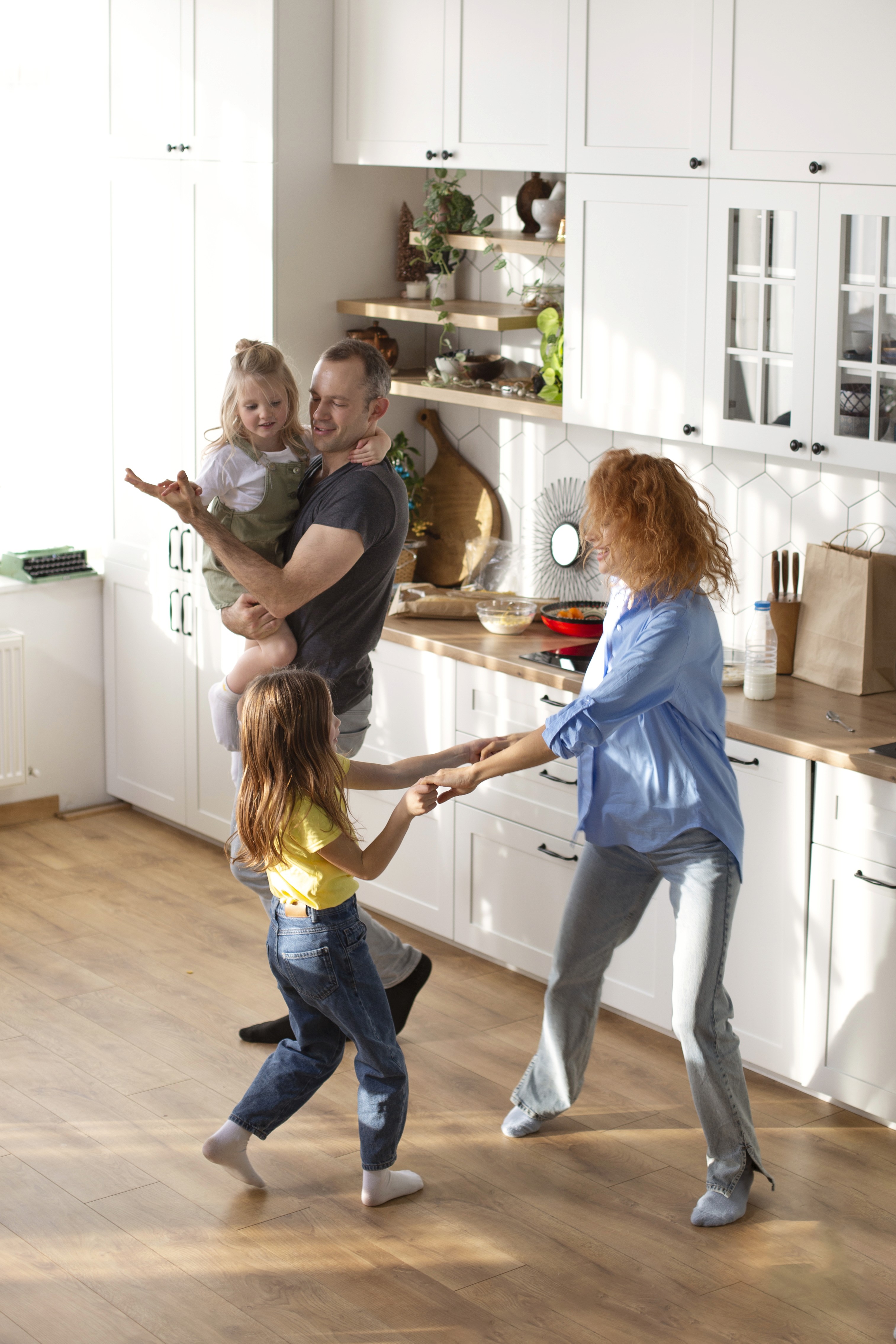
Why Hybrid Flooring
Was Developed
Traditional flooring materials were usually built around a single strength.
For example:
• Timber flooring offers natural beauty but requires maintenance.
• Tiles are extremely durable but can feel hard and cold underfoot.
• Vinyl flooring provides comfort but may behave differently depending on environmental conditions.
Hybrid flooring was developed to combine the strengths of several materials into a single flooring system.
The goal wasn’t to replace every other flooring material.
Instead, hybrid flooring was designed to create a balanced solution — something durable enough for everyday living while still offering the natural appearance homeowners want.
Why Hybrid Flooring
Was Developed
Traditional flooring materials were usually built around a single strength.
For example:
• Timber flooring offers natural beauty but requires maintenance.
• Tiles are extremely durable but can feel hard and cold underfoot.
• Vinyl flooring provides comfort but may behave differently depending on environmental conditions.
Hybrid flooring was developed to combine the strengths of several materials into a single flooring system.
The goal wasn’t to replace every other flooring material.
Instead, hybrid flooring was designed to create a balanced solution — something durable enough for everyday living while still offering the natural appearance homeowners want.
Is Hybrid Flooring
Waterproof?
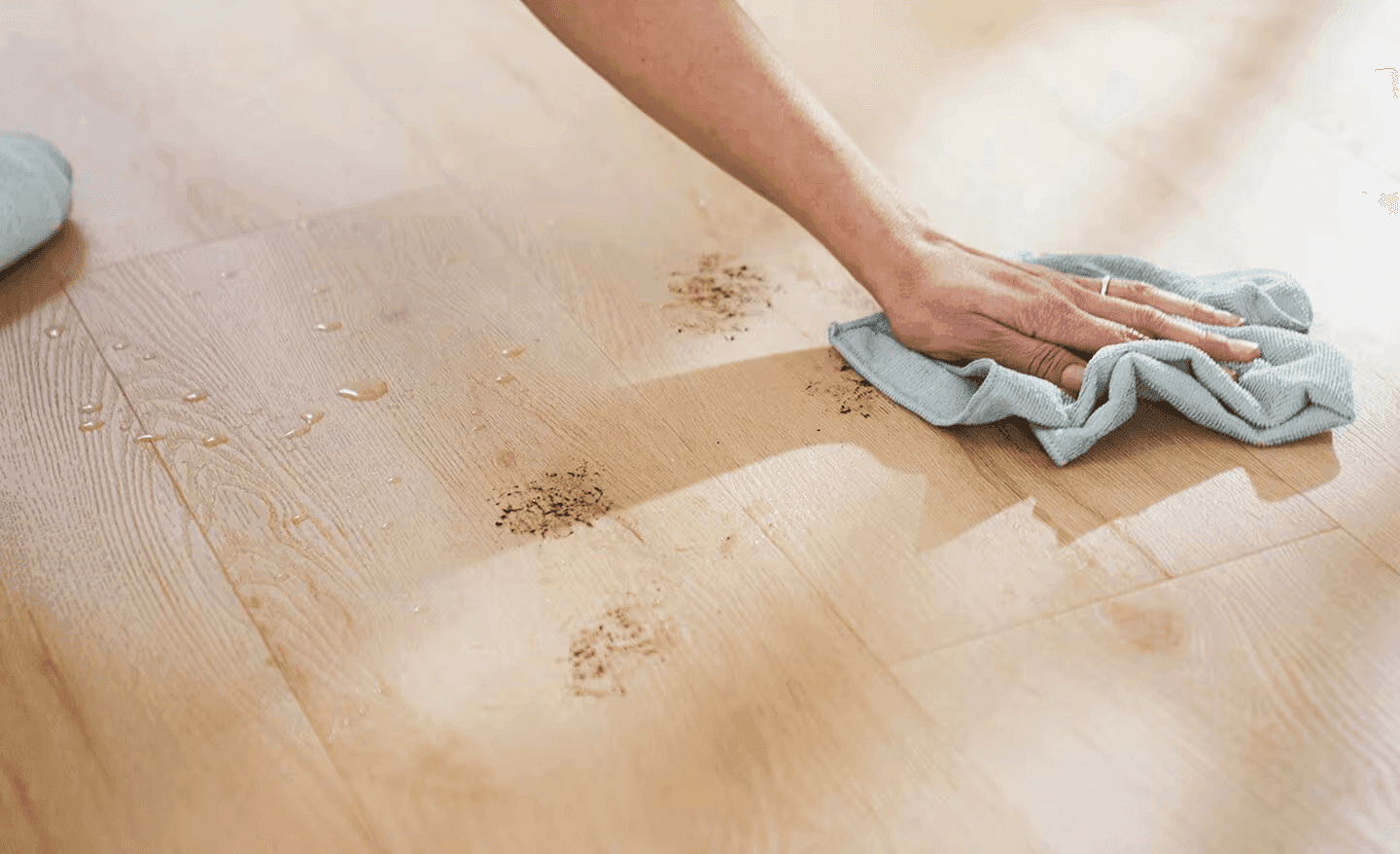
One of the reasons hybrid flooring became popular is its water-resistant core.
Unlike traditional timber-based flooring, hybrid boards are designed to resist swelling from everyday spills.
For example:
• Water from a dropped drink
• Wet shoes walking through the house
• Small kitchen spills
In these situations, the boards themselves typically remain stable.
However, it is still important to understand that no floating floor is designed to handle flooding or water trapped underneath the boards.
Correct installation and expansion spacing remain important for long-term performance.
Most hybrid flooring problems are preventable when the right product is paired with a properly prepared subfloor.
Read our guide to Common Hybrid Flooring Problems
Is Hybrid Flooring
Waterproof?
One of the reasons hybrid flooring became popular is its water-resistant core.
Unlike traditional timber-based flooring, hybrid boards are designed to resist swelling from everyday spills.
For example:
• Water from a dropped drink
• Wet shoes walking through the house
• Small kitchen spills
In these situations, the boards themselves typically remain stable.
However, it is still important to understand that no floating floor is designed to handle flooding or water trapped underneath the boards.
Correct installation and expansion spacing remain important for long-term performance.
Most hybrid flooring problems are preventable when the right product is paired with a properly prepared subfloor.
Read our guide to Common Hybrid Flooring Problems
Is Hybrid Flooring
Waterproof?
One of the reasons hybrid flooring became popular is its water-resistant core.
Unlike traditional timber-based flooring, hybrid boards are designed to resist swelling from everyday spills.
For example:
• Water from a dropped drink
• Wet shoes walking through the house
• Small kitchen spills
In these situations, the boards themselves typically remain stable.
However, it is still important to understand that no floating floor is designed to handle flooding or water trapped underneath the boards.
Correct installation and expansion spacing remain important for long-term performance.
Most hybrid flooring problems are preventable when the right product is paired with a properly prepared subfloor.
Read our guide to Common Hybrid Flooring Problems
Where Hybrid Flooring
Works Best
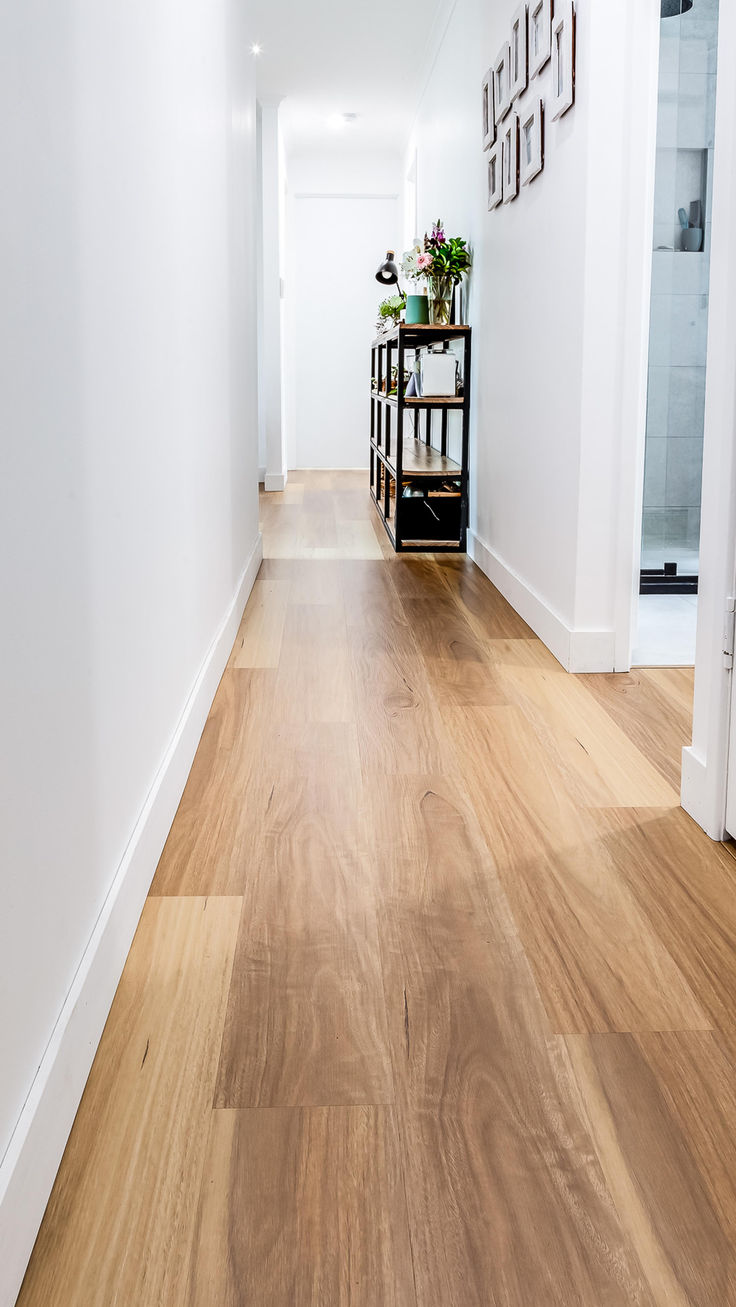
Hybrid flooring is most commonly installed in the main living areas of the home.
These include:
• Living rooms
• Kitchens
• Hallways
• Open-plan living spaces
These areas experience the most daily activity.
Hybrid flooring provides a balance between durability and comfort that works well in these high-traffic environments.
Bathrooms and laundries typically still use tiles because Australian building standards require waterproofing membranes beneath the floor surface.
Where Hybrid Flooring
Works Best
Hybrid flooring is most commonly installed in the main living areas of the home.
These include:
• Living rooms
• Kitchens
• Hallways
• Open-plan living spaces
These areas experience the most daily activity.
Hybrid flooring provides a balance between durability and comfort that works well in these high-traffic environments.
Bathrooms and laundries typically still use tiles because Australian building standards require waterproofing membranes beneath the floor surface.
Where Hybrid Flooring
Works Best
Hybrid flooring is most commonly installed in the main living areas of the home.
These include:
• Living rooms
• Kitchens
• Hallways
• Open-plan living spaces
These areas experience the most daily activity.
Hybrid flooring provides a balance between durability and comfort that works well in these high-traffic environments.
Bathrooms and laundries typically still use tiles because Australian building standards require waterproofing membranes beneath the floor surface.
The Reality of Hybrid Flooring
Water Resistance

Hybrid flooring boards feature a rigid waterproof core designed to handle everyday spills.
01
Easy To Clean

Designed to make everyday spills, marks, and messes easier to clean.
02
Made To Stay Steady

Rigid-core technology helps the floor feel more steady and less prone to everyday movement in changing home conditions.
03
Natural Timber Appearance

Today’s hybrid flooring is designed to give your home a more natural timber look without the maintenance of hardwood.
04
Water Resistance
Hybrid flooring boards feature a rigid waterproof core designed to handle everyday spills.
01
Easy To Clean
Designed to make everyday spills, marks, and messes easier to clean.
02
Made To Stay Steady
Rigid-core technology helps the floor feel more steady and less prone to everyday movement in changing home conditions.
03
Natural Timber Appearance
Today’s hybrid flooring is designed to give your home a more natural timber look without the maintenance of hardwood.
04
Water Resistance
Hybrid flooring boards feature a rigid waterproof core designed to handle everyday spills.
01
Easy To Clean
Designed to make everyday spills, marks, and messes easier to clean.
02
Made To Stay Steady
Rigid-core technology helps the floor feel more steady and less prone to everyday movement in changing home conditions.
03
Natural Timber Appearance
Today’s hybrid flooring is designed to give your home a more natural timber look without the maintenance of hardwood.
04
Like any flooring material, hybrid flooring has both strengths and limitations.
Understanding both sides helps homeowners decide whether it suits their home and lifestyle.
Subfloor preparation is important.
Hybrid flooring requires a relatively level subfloor for proper installation.
Expansion spacing is still required
Like any floating floor, hybrid flooring needs expansion gaps around the perimeter of the room.
Not designed for wet areas
Although the boards resist water, bathrooms and showers still require dedicated waterproofing systems.
Many flooring issues reported by homeowners are usually related to:
• Poor installation
• Uneven subfloors
• Incorrect expansion spacing
When installed correctly, hybrid flooring performs very reliably in modern homes. If you’d like to understand common flooring issues and how to avoid them read LUXO Floors Hybrid Flooring Pros & Cons Guide.
How Hybrid Flooring
Is Installed
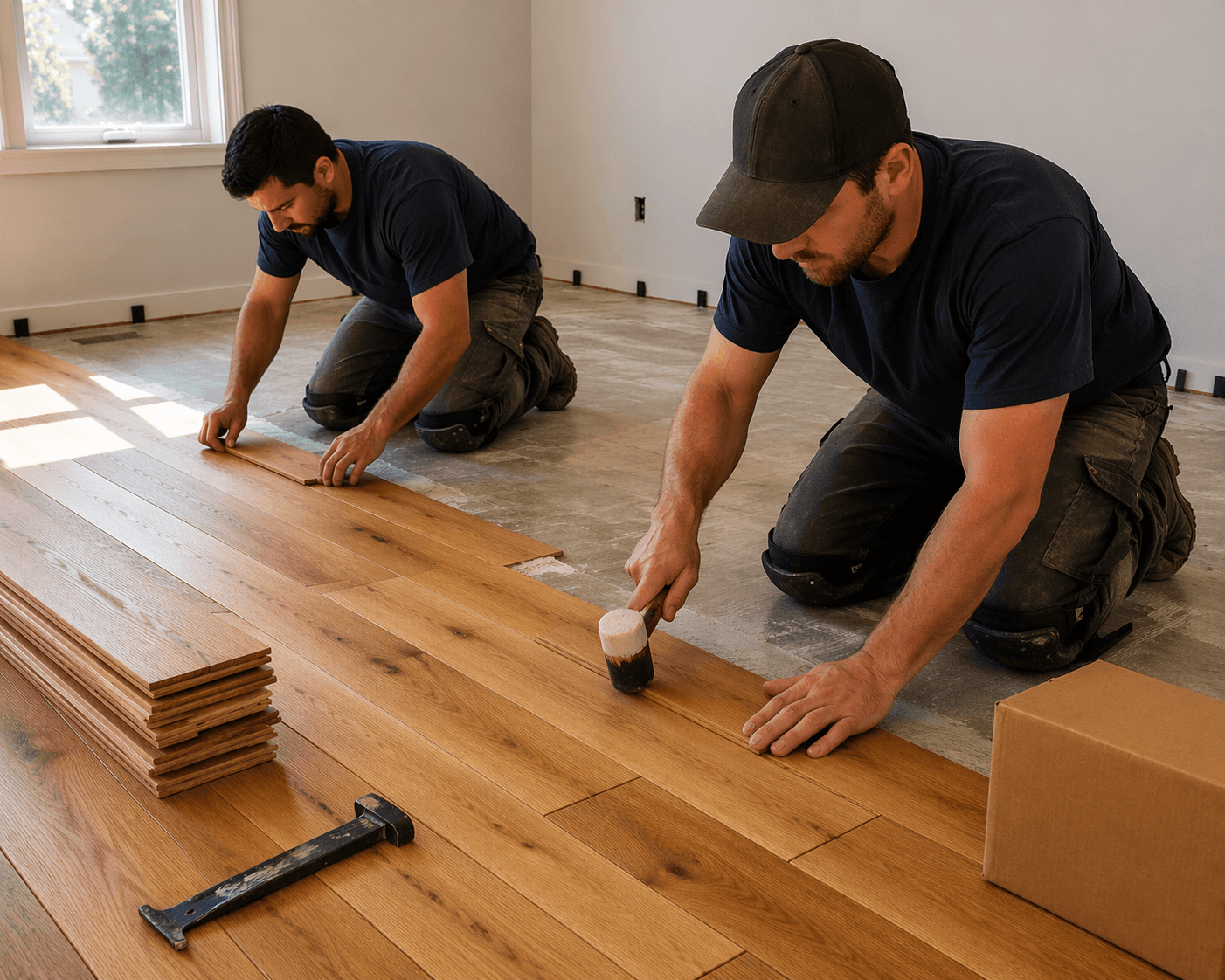
Most hybrid flooring products use a click-lock floating installation system.
Most hybrid flooring uses a click-lock floating floor system.
For the floor to perform correctly, installation usually requires:
• A level subfloor
• Proper expansion spacing
• Correct preparation
How Hybrid Flooring
Is Installed
Most hybrid flooring products use a click-lock floating installation system.
Most hybrid flooring uses a click-lock floating floor system.
For the floor to perform correctly, installation usually requires:
• A level subfloor
• Proper expansion spacing
• Correct preparation
How Hybrid Flooring
Is Installed
Most hybrid flooring products use a click-lock floating installation system.
Most hybrid flooring uses a click-lock floating floor system.
For the floor to perform correctly, installation usually requires:
• A level subfloor
• Proper expansion spacing
• Correct preparation
How Much Does
Hybrid Flooring Cost?
Hybrid flooring costs can vary depending on:
• Board thickness
• Product quality
• Installation complexity
• Subfloor preparation
Many homeowners researching flooring eventually want to understand the full project cost.
Check our Hybrid Flooring Cost guide for a better picture on it.
How Much Does
Hybrid Flooring Cost?
Hybrid flooring costs can vary depending on:
• Board thickness
• Product quality
• Installation complexity
• Subfloor preparation
Many homeowners researching flooring eventually want to understand the full project cost.
Check our Hybrid Flooring Cost guide for a better picture on it.
How Much Does
Hybrid Flooring Cost?
Hybrid flooring costs can vary depending on:
• Board thickness
• Product quality
• Installation complexity
• Subfloor preparation
Many homeowners researching flooring eventually want to understand the full project cost.
Check our Hybrid Flooring Cost guide for a better picture on it.
Hybrid Flooring in
Brisbane Homes
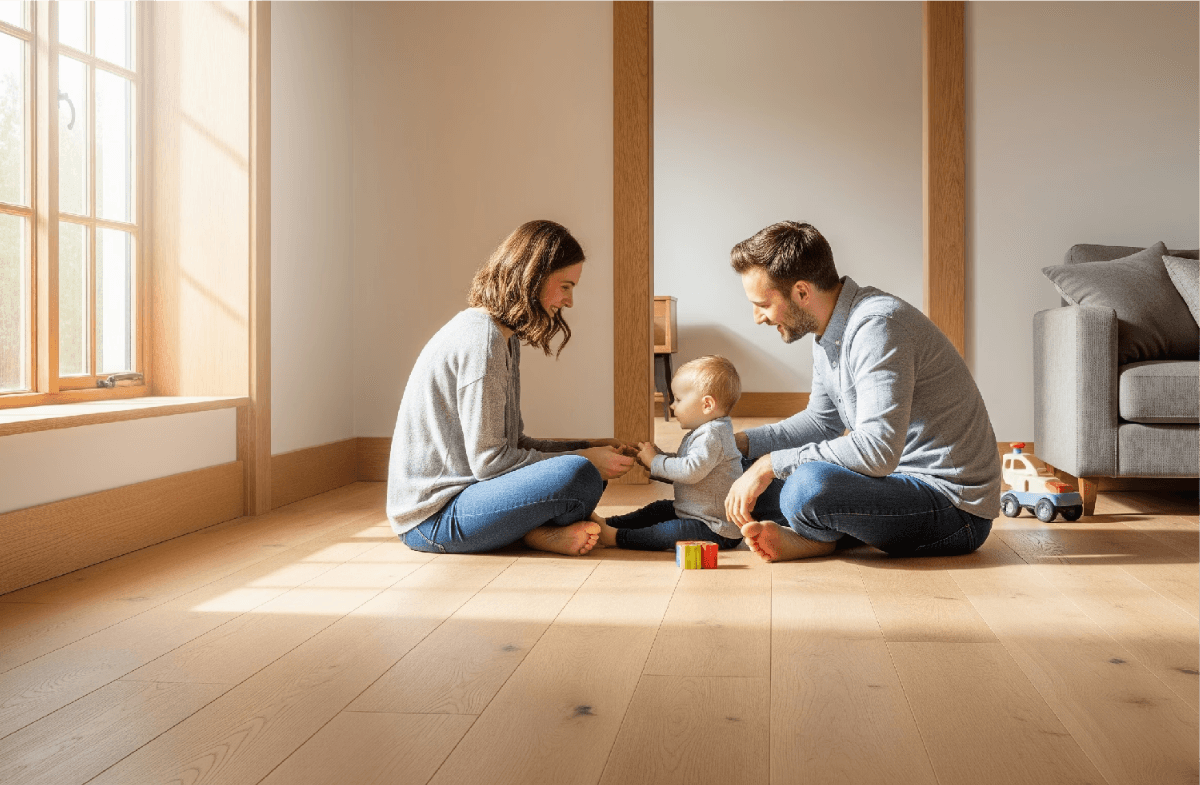
Climate can influence how flooring performs over time.
In Brisbane homes, floors often experience:
• Strong sunlight through large windows
• Warm temperatures throughout much of the year
• Humidity that changes between seasons
• Indoor-outdoor living
Rigid-core hybrid flooring tends to remain more stable in environments where temperature and humidity fluctuate.
If you’re exploring flooring options locally, read our "Hybrid Flooring Brisbane" guide. It explains how hybrid flooring performs in Brisbane homes.
Hybrid Flooring in
Brisbane Homes
Climate can influence how flooring performs over time.
In Brisbane homes, floors often experience:
• Strong sunlight through large windows
• Warm temperatures throughout much of the year
• Humidity that changes between seasons
• Indoor-outdoor living
Rigid-core hybrid flooring tends to remain more stable in environments where temperature and humidity fluctuate.
If you’re exploring flooring options locally, read our "Hybrid Flooring Brisbane" guide. It explains how hybrid flooring performs in Brisbane homes.
Hybrid Flooring in
Brisbane Homes
Climate can influence how flooring performs over time.
In Brisbane homes, floors often experience:
• Strong sunlight through large windows
• Warm temperatures throughout much of the year
• Humidity that changes between seasons
• Indoor-outdoor living
Rigid-core hybrid flooring tends to remain more stable in environments where temperature and humidity fluctuate.
If you’re exploring flooring options locally, read our "Hybrid Flooring Brisbane" guide. It explains how hybrid flooring performs in Brisbane homes.
FAQs
Hybrid Flooring
FAQ
What is hybrid flooring made of?
Hybrid flooring typically consists of a wear layer, decorative timber design layer, rigid composite core, and sometimes an acoustic backing layer.
Is hybrid flooring waterproof?
Hybrid flooring boards resist everyday spills and surface moisture but are not designed for prolonged flooding.
Is hybrid flooring better than vinyl plank flooring?
Hybrid flooring generally has a more rigid structure, which provides greater stability underfoot, while vinyl plank flooring may feel slightly softer depending on its construction.
Does hybrid flooring scratch easily?
Quality hybrid flooring includes a protective wear layer designed to handle everyday foot traffic, pets, and furniture movement.
How long does hybrid flooring last?
When installed correctly and maintained properly, hybrid flooring can last many years in residential homes.
Do I really need L-Trims?
Many hybrid flooring products include an integrated acoustic backing layer, reducing the need for separate underlay.
FAQs
Hybrid Flooring
FAQ
What is hybrid flooring made of?
Hybrid flooring typically consists of a wear layer, decorative timber design layer, rigid composite core, and sometimes an acoustic backing layer.
Is hybrid flooring waterproof?
Hybrid flooring boards resist everyday spills and surface moisture but are not designed for prolonged flooding.
Is hybrid flooring better than vinyl plank flooring?
Hybrid flooring generally has a more rigid structure, which provides greater stability underfoot, while vinyl plank flooring may feel slightly softer depending on its construction.
Does hybrid flooring scratch easily?
Quality hybrid flooring includes a protective wear layer designed to handle everyday foot traffic, pets, and furniture movement.
How long does hybrid flooring last?
When installed correctly and maintained properly, hybrid flooring can last many years in residential homes.
Do I really need L-Trims?
Many hybrid flooring products include an integrated acoustic backing layer, reducing the need for separate underlay.

Final Thoughts
When people first hear the term hybrid flooring, it can sound like a marketing phrase.
In practice, it simply refers to a flooring system designed to combine durability, stability, and everyday practicality.
For many modern homes, that balance is exactly what makes the difference.
If you’re comparing flooring options for your home:
Final Thoughts
When people first hear the term hybrid flooring, it can sound like a marketing phrase.
In practice, it simply refers to a flooring system designed to combine durability, stability, and everyday practicality.
For many modern homes, that balance is exactly what makes the difference.
If you’re comparing flooring options for your home:
Final Thoughts
When people first hear the term hybrid flooring, it can sound like a marketing phrase.
In practice, it simply refers to a flooring system designed to combine durability, stability, and everyday practicality.
For many modern homes, that balance is exactly what makes the difference.
If you’re comparing flooring options for your home:
Still Unsure?
Start With the Quiz —
It’ll Guide Everything
Based in Australia
Still Unsure?
Start With the Quiz —
It’ll Guide Everything
Still Unsure?
Start With the Quiz —
It’ll Guide Everything