Hybrid Flooring vs Tiles: Which Is Better?
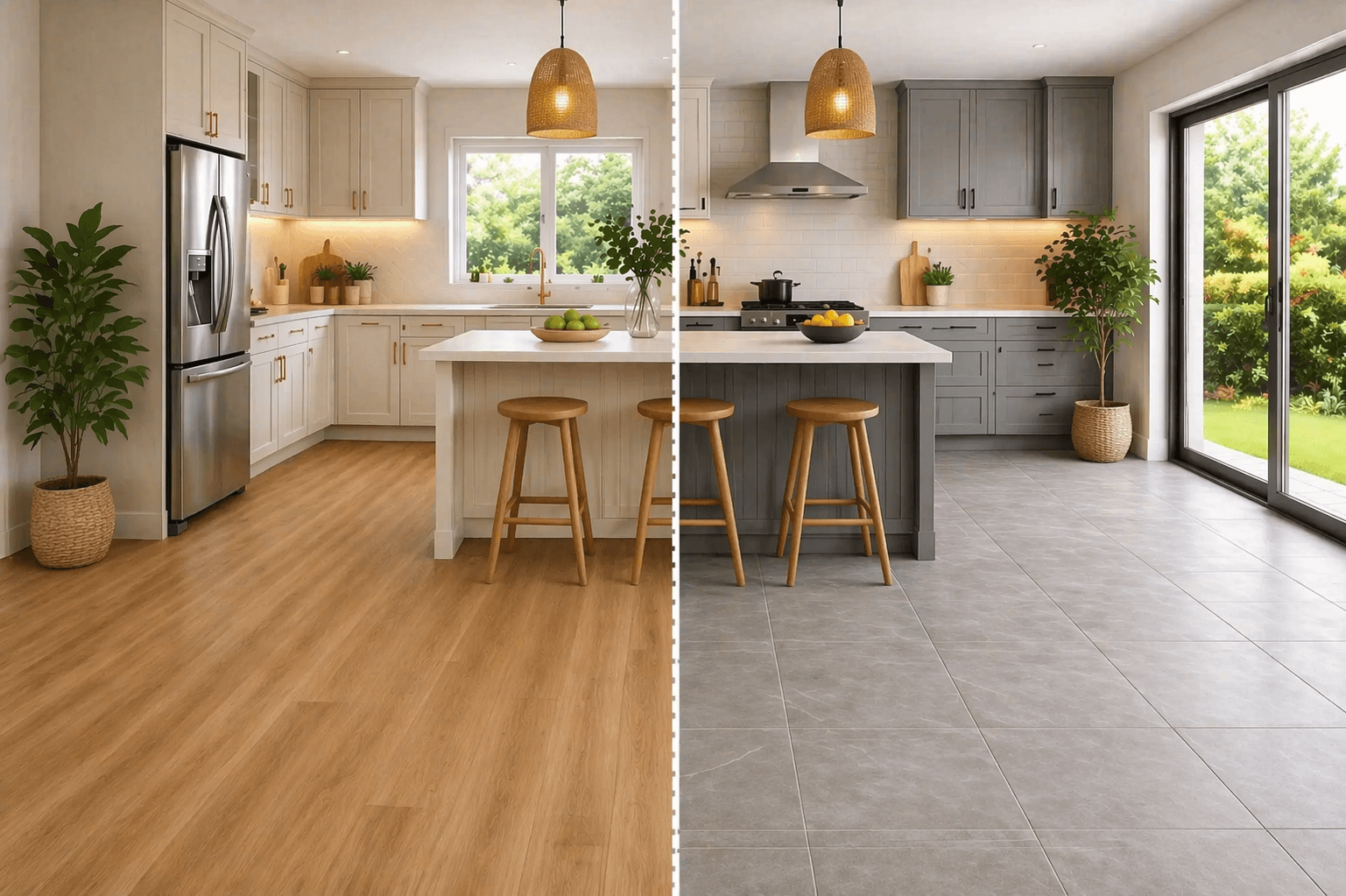
If you’re choosing flooring for your home, hybrid flooring and tiles are two of the most common options.
Tiles have long been known for their durability and resistance to water, making them a popular choice in kitchens, bathrooms and high-traffic areas.
Hybrid flooring has become increasingly popular in modern homes for its balance of durability, comfort and ease of maintenance.
At first glance, both options seem highly practical.
But many homeowners get stuck choosing between the hard durability of tiles and the everyday comfort of hybrid flooring.
This guide explains the key differences between hybrid flooring and tiles so you can decide which option best suits your home, lifestyle and long-term expectations.
Quick Comparison: Hybrid Flooring vs Tiles
Feature | Hybrid Flooring | Tiles |
Surface | Slightly cushioned | Hard surface |
Comfort | Moderate | Low |
Water Resistance | Highly water-resistant | Waterproof |
Maintenance | Easy to clean | Easy to clean |
Durability | High | Very high |
Temperature | Warmer underfoot | Can feel cold |
Installation | Faster | More complex |
Cost | Mid-range | Mid to high |

Key Differences Between
Hybrid Flooring and Tiles
The main differences between hybrid flooring and tiles include:
Comfort and feel
Installation complexity
Temperature underfoot
Durability and lifespan
Suitability for different areas
Both options are durable, but they create very different living experiences.
Key Differences Between
Hybrid Flooring and Tiles
The main differences between hybrid flooring and tiles include:
Comfort and feel
Installation complexity
Temperature underfoot
Durability and lifespan
Suitability for different areas
Both options are durable, but they create very different living experiences.
Key Differences Between
Hybrid Flooring and Tiles
The main differences between hybrid flooring and tiles include:
Comfort and feel
Installation complexity
Temperature underfoot
Durability and lifespan
Suitability for different areas
Both options are durable, but they create very different living experiences.
What Is
Hybrid Flooring?
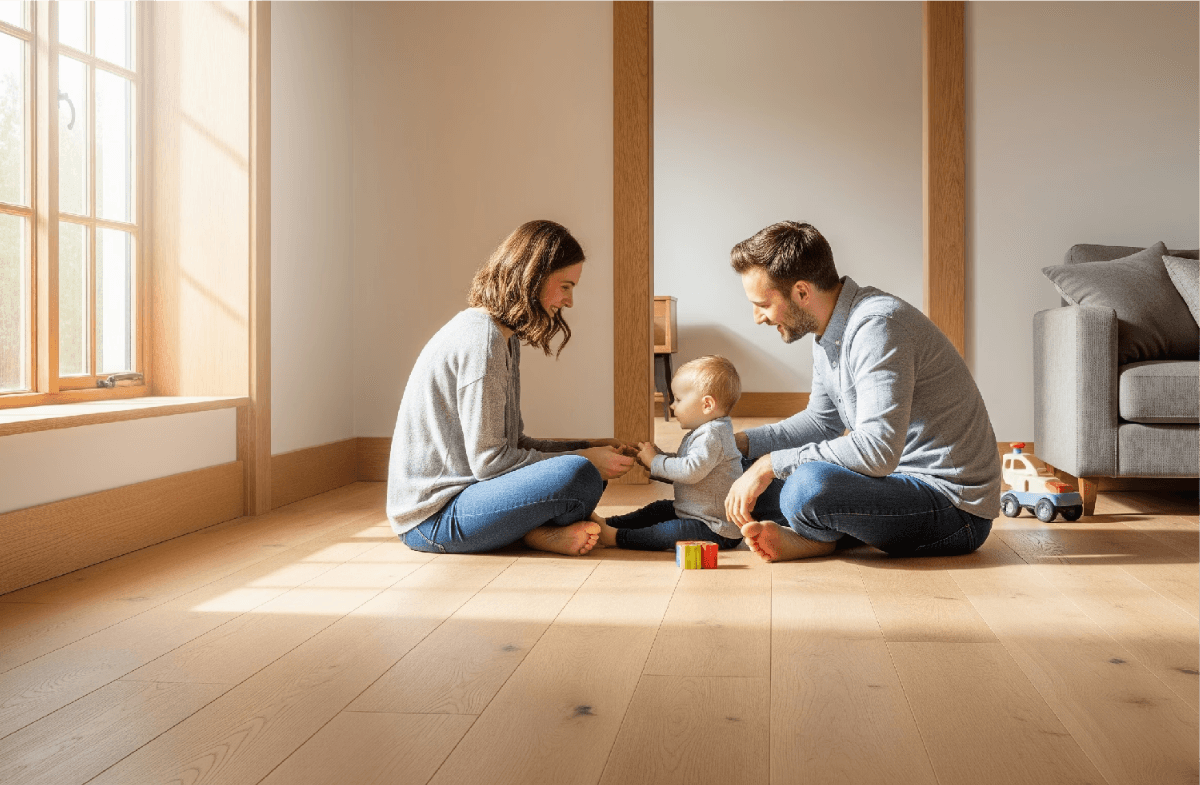
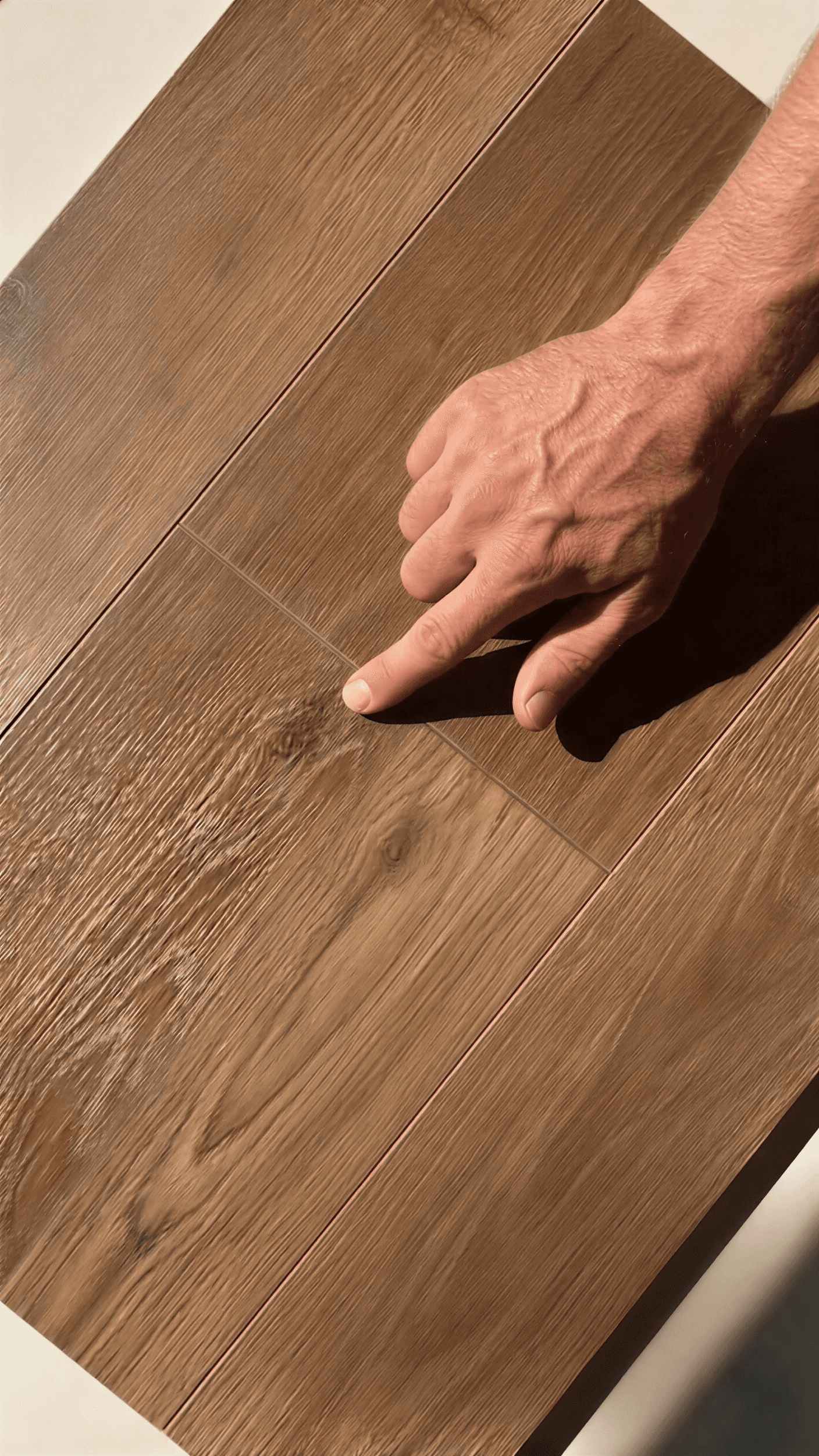
Hybrid flooring is a rigid floating floor made from multiple layers.
Most hybrid boards include:
A protective wear layer
A decorative timber-look layer
A rigid composite core
An acoustic backing layer
The internal core helps improve stability and reduce expansion caused by temperature changes.
Because of this construction, hybrid flooring is designed to handle:
Daily wear
Spills and moisture
Busy households
What Is
Hybrid Flooring?
Hybrid flooring is a rigid floating floor made from multiple layers.
Most hybrid boards include:
A protective wear layer
A decorative timber-look layer
A rigid composite core
An acoustic backing layer
The internal core helps improve stability and reduce expansion caused by temperature changes.
Because of this construction, hybrid flooring is designed to handle:
Daily wear
Spills and moisture
Busy households
What Is
Hybrid Flooring?
Hybrid flooring is a rigid floating floor made from multiple layers.
Most hybrid boards include:
A protective wear layer
A decorative timber-look layer
A rigid composite core
An acoustic backing layer
The internal core helps improve stability and reduce expansion caused by temperature changes.
Because of this construction, hybrid flooring is designed to handle:
Daily wear
Spills and moisture
Busy households
What Are
Tile Floors?
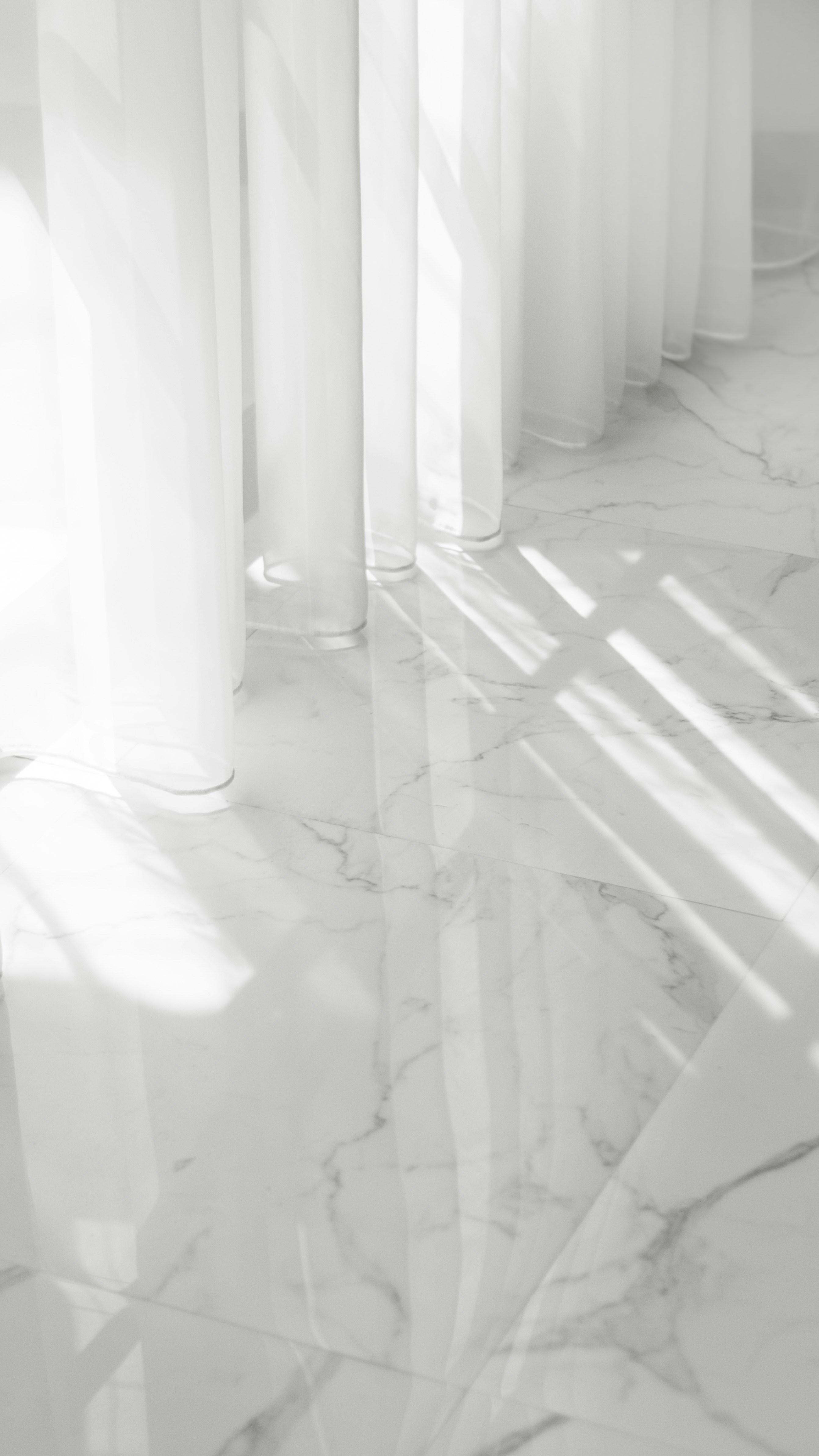
Tiles are hard flooring materials typically made from ceramic or porcelain.
They are installed by:
Bonding tiles to the subfloor with adhesive
Filling joints with grout
Tiles are commonly used in:
Kitchens
Bathrooms
Laundry areas
They are known for their strength and resistance to water.
What Are
Tile Floors?
Tiles are hard flooring materials typically made from ceramic or porcelain.
They are installed by:
Bonding tiles to the subfloor with adhesive
Filling joints with grout
Tiles are commonly used in:
Kitchens
Bathrooms
Laundry areas
They are known for their strength and resistance to water.
What Are
Tile Floors?
Tiles are hard flooring materials typically made from ceramic or porcelain.
They are installed by:
Bonding tiles to the subfloor with adhesive
Filling joints with grout
Tiles are commonly used in:
Kitchens
Bathrooms
Laundry areas
They are known for their strength and resistance to water.
Comfort and Feel Underfoot
Hybrid flooring has a slightly softer feel due to its layered construction and backing.
It provides:
More comfort when walking
Less strain over long periods
Tiles are hard underfoot.
They can feel:
Firm
Cold
Less forgiving when standing for long periods
Comfort and Feel Underfoot
Hybrid flooring has a slightly softer feel due to its layered construction and backing.
It provides:
More comfort when walking
Less strain over long periods
Tiles are hard underfoot.
They can feel:
Firm
Cold
Less forgiving when standing for long periods
Temperature and Living Comfort
Tiles tend to feel cold, especially in cooler months or air-conditioned homes.
Hybrid flooring generally feels warmer underfoot.
This can make a noticeable difference in:
Bedrooms
Living areas
Homes where people walk barefoot
Temperature and Living Comfort
Tiles tend to feel cold, especially in cooler months or air-conditioned homes.
Hybrid flooring generally feels warmer underfoot.
This can make a noticeable difference in:
Bedrooms
Living areas
Homes where people walk barefoot
Durability and Impact Resistance
Tiles are extremely durable and resistant to scratches.
However, they can:
Crack under heavy impact
Chip if something heavy is dropped
Hybrid flooring is designed to resist scratches and everyday wear.
It is generally more forgiving if items are dropped.
Durability and Impact Resistance
Tiles are extremely durable and resistant to scratches.
However, they can:
Crack under heavy impact
Chip if something heavy is dropped
Hybrid flooring is designed to resist scratches and everyday wear.
It is generally more forgiving if items are dropped.
Water Resistance and Wet Areas
Tiles are fully waterproof and ideal for wet areas.
Hybrid flooring is highly water-resistant, but not typically used in:
Showers
Areas with constant water exposure
Water Resistance and Wet Areas
Tiles are fully waterproof and ideal for wet areas.
Hybrid flooring is highly water-resistant, but not typically used in:
Showers
Areas with constant water exposure
Installation and Subfloor Requirements
Hybrid flooring uses a click-lock system and is quicker to install.
Tiles require:
Adhesive
Grout
Longer installation time
Both options require a relatively flat subfloor, but tile installation is more labour-intensive.
Installation and Subfloor Requirements
Hybrid flooring uses a click-lock system and is quicker to install.
Tiles require:
Adhesive
Grout
Longer installation time
Both options require a relatively flat subfloor, but tile installation is more labour-intensive.
Maintenance and Cleaning
Both flooring types are easy to clean.
Hybrid flooring can be:
Swept
Vacuumed
Mopped
Tiles are also easy to clean but grout lines may require additional maintenance over time.
Maintenance and Cleaning
Both flooring types are easy to clean.
Hybrid flooring can be:
Swept
Vacuumed
Mopped
Tiles are also easy to clean but grout lines may require additional maintenance over time.
Cost
Comparison
Hybrid Flooring: $60 – $120 per m²
Tiles: $80 – $150+ per m²
Tiles can be more expensive due to:
Installation labour
Material variations
If you’d like a clearer breakdown of pricing, you can explore our hybrid flooring cost guide below.
Cost
Comparison
Hybrid Flooring: $60 – $120 per m²
Tiles: $80 – $150+ per m²
Tiles can be more expensive due to:
Installation labour
Material variations
If you’d like a clearer breakdown of pricing, you can explore our hybrid flooring cost guide below.
Cost
Comparison
Hybrid Flooring: $60 – $120 per m²
Tiles: $80 – $150+ per m²
Tiles can be more expensive due to:
Installation labour
Material variations
If you’d like a clearer breakdown of pricing, you can explore our hybrid flooring cost guide below.
Which Flooring
Suits Different Homes?
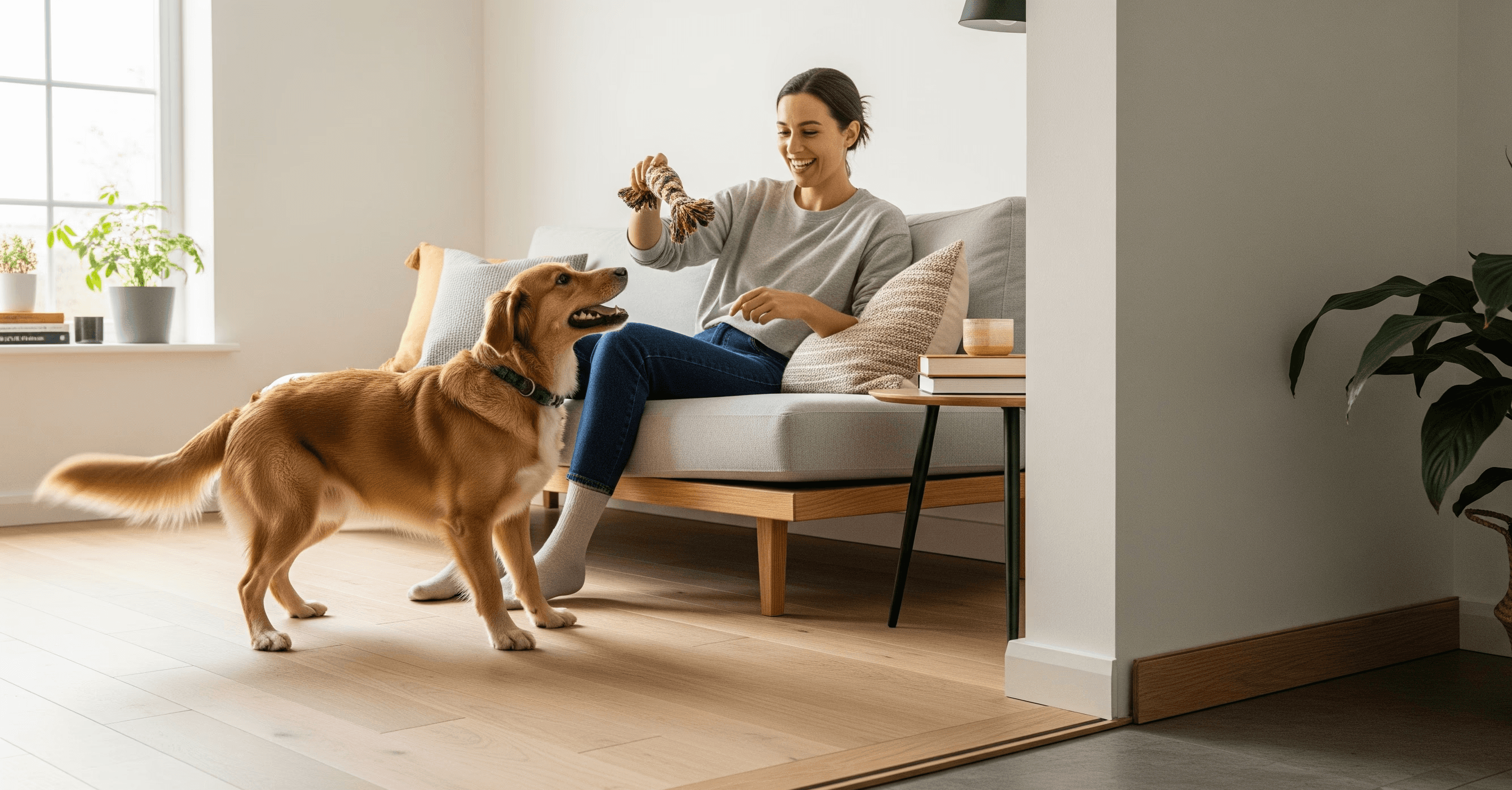
Hybrid flooring tends to suit:
Living areas
Bedrooms
Open-plan homes
Families with pets or children
Tiles tend to suit:
Bathrooms
Kitchens
Laundries
Homes prioritising maximum durability
Which Flooring
Suits Different Homes?
Hybrid flooring tends to suit:
Living areas
Bedrooms
Open-plan homes
Families with pets or children
Tiles tend to suit:
Bathrooms
Kitchens
Laundries
Homes prioritising maximum durability
Which Flooring
Is Better?
There isn’t a single option that works best for every home.
Hybrid flooring is often chosen for:
Comfort
Easier installation
A more natural living feel
Tiles are often chosen for:
Maximum durability
Water resistance
Long-term structural strength
Which Flooring
Is Better?
There isn’t a single option that works best for every home.
Hybrid flooring is often chosen for:
Comfort
Easier installation
A more natural living feel
Tiles are often chosen for:
Maximum durability
Water resistance
Long-term structural strength
Which Flooring
Is Better?
There isn’t a single option that works best for every home.
Hybrid flooring is often chosen for:
Comfort
Easier installation
A more natural living feel
Tiles are often chosen for:
Maximum durability
Water resistance
Long-term structural strength
FAQs
Hybrid Flooring
vs Tiles
Is hybrid flooring better than tiles?
It depends on the space. Hybrid flooring offers more comfort underfoot and is easier to maintain, while tiles provide higher durability and full waterproof performance.
Are tiles more durable than hybrid flooring?
Tiles are generally harder and more scratch-resistant, but they can crack or chip under heavy impact. Hybrid flooring is slightly more forgiving and better suited to everyday living.
Which flooring is better for kitchens?
Both can work well. Tiles are traditionally used for their water resistance, while hybrid flooring is often chosen for comfort and easier maintenance in everyday use.
Is it cheaper to install hybrid flooring or tiles in Australia?
Hybrid flooring is generally more affordable to install due to faster installation and lower labour costs. Tiles can vary in price depending on the material and installation complexity, but they often involve higher labour costs.
Can you install hybrid flooring over existing tiles?
Yes, hybrid flooring can often be installed over existing tiles if the surface is level and stable. In some cases, grout lines may need to be levelled to create a smooth base.
Can hybrid flooring be used in bathrooms or wet areas?
Hybrid flooring is highly water-resistant and suitable for areas like kitchens and laundries. However, it is not typically recommended for showers or areas with constant water exposure, where tiles remain the preferred option.
Do I really need L-Trims?
Many hybrid flooring products include an integrated acoustic backing layer, reducing the need for separate underlay.
FAQs
Hybrid Flooring
vs Tiles
Is hybrid flooring better than tiles?
It depends on the space. Hybrid flooring offers more comfort underfoot and is easier to maintain, while tiles provide higher durability and full waterproof performance.
Are tiles more durable than hybrid flooring?
Tiles are generally harder and more scratch-resistant, but they can crack or chip under heavy impact. Hybrid flooring is slightly more forgiving and better suited to everyday living.
Which flooring is better for kitchens?
Both can work well. Tiles are traditionally used for their water resistance, while hybrid flooring is often chosen for comfort and easier maintenance in everyday use.
Is it cheaper to install hybrid flooring or tiles in Australia?
Hybrid flooring is generally more affordable to install due to faster installation and lower labour costs. Tiles can vary in price depending on the material and installation complexity, but they often involve higher labour costs.
Can you install hybrid flooring over existing tiles?
Yes, hybrid flooring can often be installed over existing tiles if the surface is level and stable. In some cases, grout lines may need to be levelled to create a smooth base.
Can hybrid flooring be used in bathrooms or wet areas?
Hybrid flooring is highly water-resistant and suitable for areas like kitchens and laundries. However, it is not typically recommended for showers or areas with constant water exposure, where tiles remain the preferred option.
Do I really need L-Trims?
Many hybrid flooring products include an integrated acoustic backing layer, reducing the need for separate underlay.
Final
Thoughts
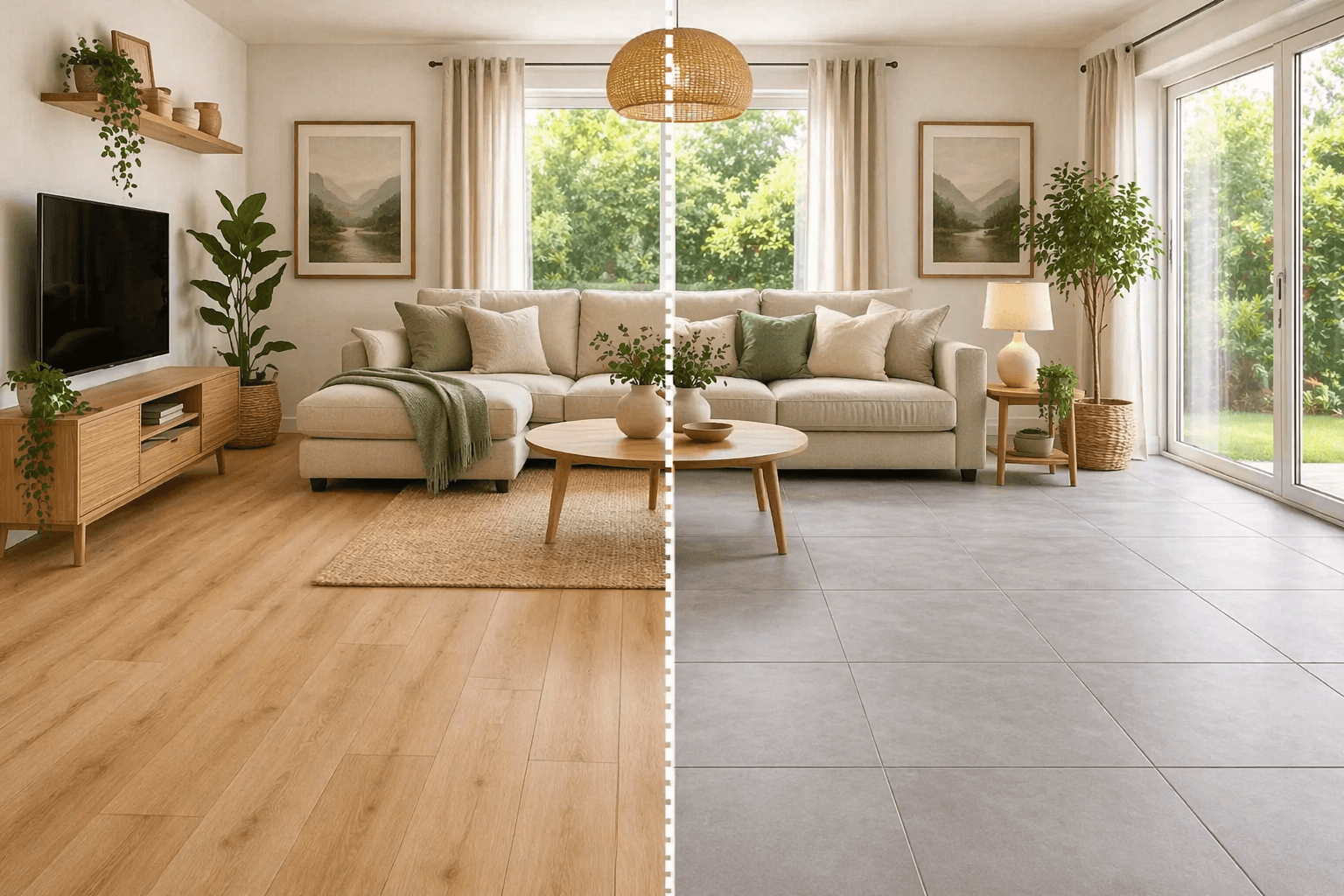
Hybrid flooring is designed to be durable, stable and suitable for modern homeHybrid flooring and tiles are both durable options, but they create very different living experiences.
Hybrid flooring focuses on comfort, practicality and everyday use.
Tiles focus on strength, water resistance and long-term durability.
Understanding how each area of your home is used will help you choose the right flooring for each space.
However, even high-quality flooring products can develop issues if installation is rushed or the subfloor is not prepared correctly.
Final
Thoughts
Hybrid flooring is designed to be durable, stable and suitable for modern homeHybrid flooring and tiles are both durable options, but they create very different living experiences.
Hybrid flooring focuses on comfort, practicality and everyday use.
Tiles focus on strength, water resistance and long-term durability.
Understanding how each area of your home is used will help you choose the right flooring for each space.
However, even high-quality flooring products can develop issues if installation is rushed or the subfloor is not prepared correctly.
Final
Thoughts
Hybrid flooring is designed to be durable, stable and suitable for modern homeHybrid flooring and tiles are both durable options, but they create very different living experiences.
Hybrid flooring focuses on comfort, practicality and everyday use.
Tiles focus on strength, water resistance and long-term durability.
Understanding how each area of your home is used will help you choose the right flooring for each space.
However, even high-quality flooring products can develop issues if installation is rushed or the subfloor is not prepared correctly.
Still Unsure?
Start With the Quiz —
It’ll Guide Everything
Based in Australia
Still Unsure?
Start With the Quiz —
It’ll Guide Everything
Still Unsure?
Start With the Quiz —
It’ll Guide Everything